

A cold plunge tub is not automatically eligible for HSA or FSA. It can qualify only when a licensed clinician provides a dated Letter of Medical Necessity connecting the device to a diagnosed condition, per IRS Publication 502. Without that letter, using HSA funds risks ordinary income tax plus a 20% penalty under Publication 969. Start by asking your clinician about an LMN, confirm your plan’s specific rules, and keep every receipt.
TL;DR:
- A cold plunge tub qualifies for HSA or FSA reimbursement only with a recent Letter of Medical Necessity from a licensed clinician linking it to a diagnosed health condition.
- Claims require specific diagnosis, dated documentation, and a clear explanation of why home use is medically necessary; vague or post-purchase letters are likely to be rejected.
- Most plans require pre-approval and documentation validation before purchase, with HSA cards allowing checkout but increasing audit risk, while FSAs typically require prior approval.
- If the claim is later denied, the amount is taxed as income plus a 20% penalty, unless the equipment is a permanent fixture that increases home value, in which case only the non-boosted portion is deductible.
- Consumer products that assist recovery can qualify under IRS rules when supported by proper documentation, but general wellness use or equipment bought without a supporting diagnosis is not eligible.
Table of Contents
- What Qualifies: IRS Publication 502 and When a Cold Plunge Counts as a Medical Expense
- Letter of Medical Necessity: A Checklist to Request From Your Clinician
- HSA vs FSA: Who Approves Claims and How to Submit
- Costs, Penalties, and the Home Installation Rule You Must Know
- Practical Workflow: Clinician Conversation, Documentation, and Filing the Claim
- Balancing Clinical Benefit and the Marketing of Home Wellness
- Cold Plunge Options That Fit Different Medical and Home Needs
- Primary Sources and Plan Guidance to Verify Before You File
- Sources
- FAQ
What Qualifies: IRS Publication 502 and When a Cold Plunge Counts as a Medical Expense
The IRS standard is narrower than most people expect. Publication 502 allows reimbursement for expenses tied to the “diagnosis, cure, mitigation, treatment, or prevention of disease.” General wellness spending, the kind most cold plunge buyers have in mind, does not meet that bar on its own.
That distinction matters because a cold plunge purchased for recovery after a hard workout looks nothing like a cold plunge purchased to manage a documented inflammatory condition, even though the tub itself is identical. The IRS cares about intent and evidence, not the product.
Statistic Callout: IRS Publication 502 does not name cold plunge tubs specifically anywhere in its guidance, which means every claim gets evaluated case by case using the same general medical expense test applied to hot tubs, saunas, and similar equipment.
Conditions that tend to support a claim include:
- Inflammatory arthritis or another chronic inflammatory diagnosis where a physician recommends cold water immersion as part of a treatment plan
- Post surgical rehabilitation where cold therapy is part of a documented recovery protocol
- A diagnosed sleep or anxiety disorder where a clinician has specifically prescribed cold exposure as treatment
Mayo Clinic Health System notes that cold plunges can genuinely help with recovery and inflammation after exercise. That clinical benefit does not translate into automatic tax-free status. The IRS gap here is real: there is no explicit ruling naming cold plunge tubs as eligible or ineligible, so your documentation is what carries the argument.
Letter of Medical Necessity: A Checklist to Request From Your Clinician
An LMN is the single document that separates a wellness purchase from a qualified medical expense. Plan administrators and vendor guidance, including myHSA’s help center, are consistent about what a valid letter needs.
Ask your provider to include these elements, in this order:
- Their signature and license information, on letterhead if possible
- A date that falls before you purchase the cold plunge, never after
- A specific diagnosis, not a general reference to “wellness” or “recovery”
- An explicit statement that cold water immersion is medically necessary for that diagnosis
- A reason home equipment is required rather than a clinic-based alternative
- An expected duration and frequency of use
The most common mistake is vague language. A letter that says a cold plunge would “support overall wellness” will get rejected by almost any administrator. So will a letter written after the purchase date, since that reads as after the fact justification rather than a genuine medical recommendation. Many plan administrators accept LMNs for a limited period, often around a year, before requiring a renewal, so build that timeline into your planning if the treatment is ongoing.
Pro Tip: Bring a one-page summary of your diagnosis and treatment goals to the appointment. Clinicians write stronger, more specific LMNs when they don’t have to reconstruct your medical history from memory during a fifteen-minute visit.
HSA vs FSA: Who Approves Claims and How to Submit
The two account types handle documentation very differently, and knowing which rules apply to you changes how much paperwork you need before you buy anything.
- HSA accounts let you swipe your card at checkout without pre-approval, but you carry the audit risk. Publication 969 makes clear that you must retain the LMN and receipts indefinitely in case the IRS or your plan later questions the withdrawal.
- FSA accounts typically work the opposite way. The plan administrator reviews your LMN and receipts before releasing reimbursement, which means you often can’t use the funds until the paperwork clears.
- Plan variants matter too. Lively’s eligibility guidance notes that a cold plunge tub can qualify with an LMN under standard HSA and FSA plans, but dependent care FSAs and limited purpose FSAs generally exclude this kind of purchase entirely.
- Vendor facilitation services like TrueMed exist specifically to collect LMNs and structure the purchase path so administrators accept the claim more smoothly. They’re one option among several, not a requirement.
Confirm your specific plan’s process before you spend a dollar. A phone call to your plan administrator takes ten minutes and can save you months of back and forth over a denied claim.
Costs, Penalties, and the Home Installation Rule You Must Know
If the IRS or your plan later decides your cold plunge distribution wasn’t qualified, the consequences are immediate and expensive. The withdrawn amount gets added to your gross income and taxed at your ordinary rate, on top of an additional 20% penalty under Publication 969. That penalty may be waived if you’re 65 or older or have a qualifying disability, though you’ll still owe the ordinary income tax either way.
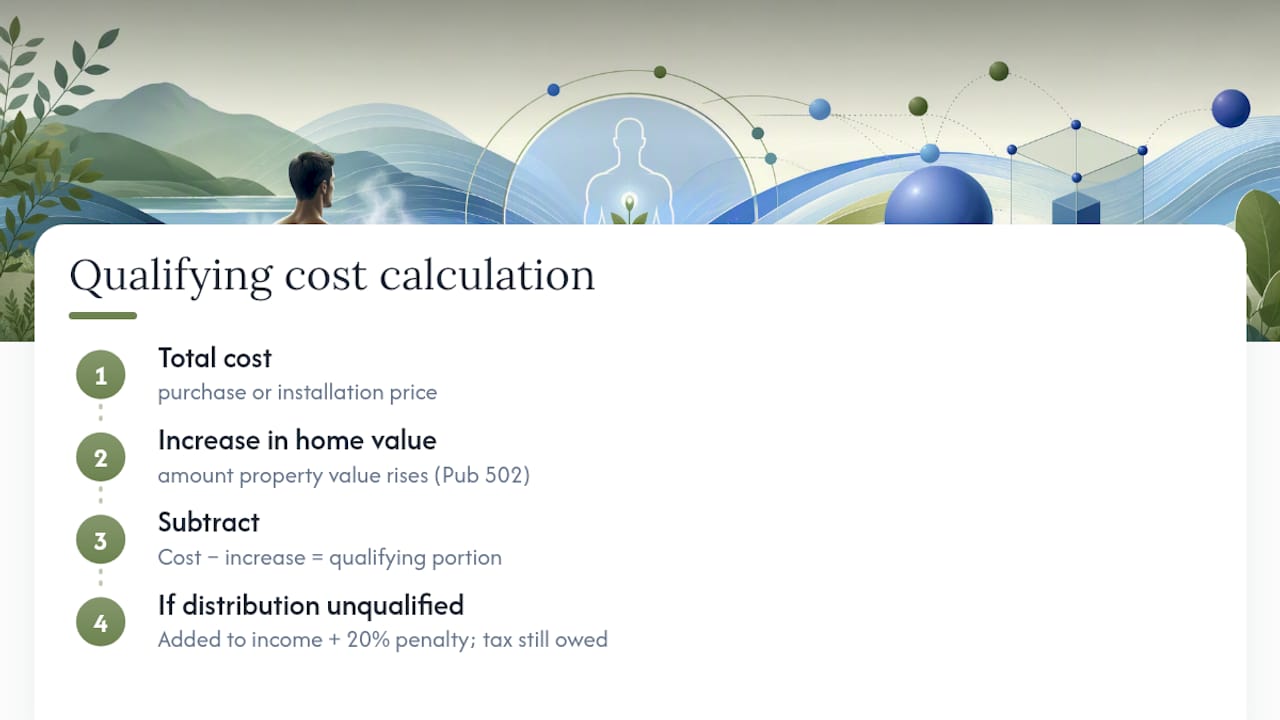
A separate rule applies if you install a cold plunge as a permanent fixture rather than buying a portable unit. When a medical home improvement increases your property’s value, only the portion of the cost that doesn’t add value counts as a deductible medical expense.
Statistic Callout: The math is straightforward but frequently overlooked. Cost minus the increase in home value equals what actually qualifies, according to IRS Publication 502. Skipping this calculation is one of the fastest ways to overstate a claim.
Practical Workflow: Clinician Conversation, Documentation, and Filing the Claim
Getting this right comes down to sequence. Do these steps in order, not out of order:
- Get a formal diagnosis from your physician first, before discussing equipment
- Request a dated LMN that names the diagnosis, the treatment, and why home use is necessary
- Confirm your specific plan’s rules and pre-approval process before you buy anything
- Keep the LMN and your purchase receipt together, dated appropriately, from day one
- Submit the claim through your FSA administrator, or retain the paperwork if you paid with an HSA card
When you talk to your clinician, ask directly: “Can you document that cold water immersion is medically necessary for my condition, and specify why I need equipment at home rather than a clinical setting?” That phrasing tends to produce language administrators actually accept. Our cold plunge therapy benefits and safety guide covers the clinical side of these conversations in more depth.
Pro Tip: Store digital copies of your LMN and receipts in the same folder as your tax documents. If your plan or the IRS asks for proof two years from now, you don’t want to be searching for a physician’s letter from memory.
Balancing Clinical Benefit and the Marketing of Home Wellness
Cold water immersion has real clinical promise for the right conditions, but the marketing around it has outpaced the tax guidance supporting it. What actually decides your outcome isn’t the product, it’s the paperwork: a specific diagnosis, a dated letter, and language that ties the equipment to a treatment plan rather than a lifestyle upgrade.
Before you withdraw HSA funds or submit an FSA claim, talk to both your clinician and a tax advisor. Tranquilora provides educational context and product options, not tax advice, and that distinction matters more here than in most purchases.
— Phil
Cold Plunge Options That Fit Different Medical and Home Needs
If your clinician supports a cold plunge as part of your treatment plan, the equipment you choose should match your living situation and how permanent your setup needs to be. A curated selection of products, rather than an overwhelming catalog, can make comparing options simpler.
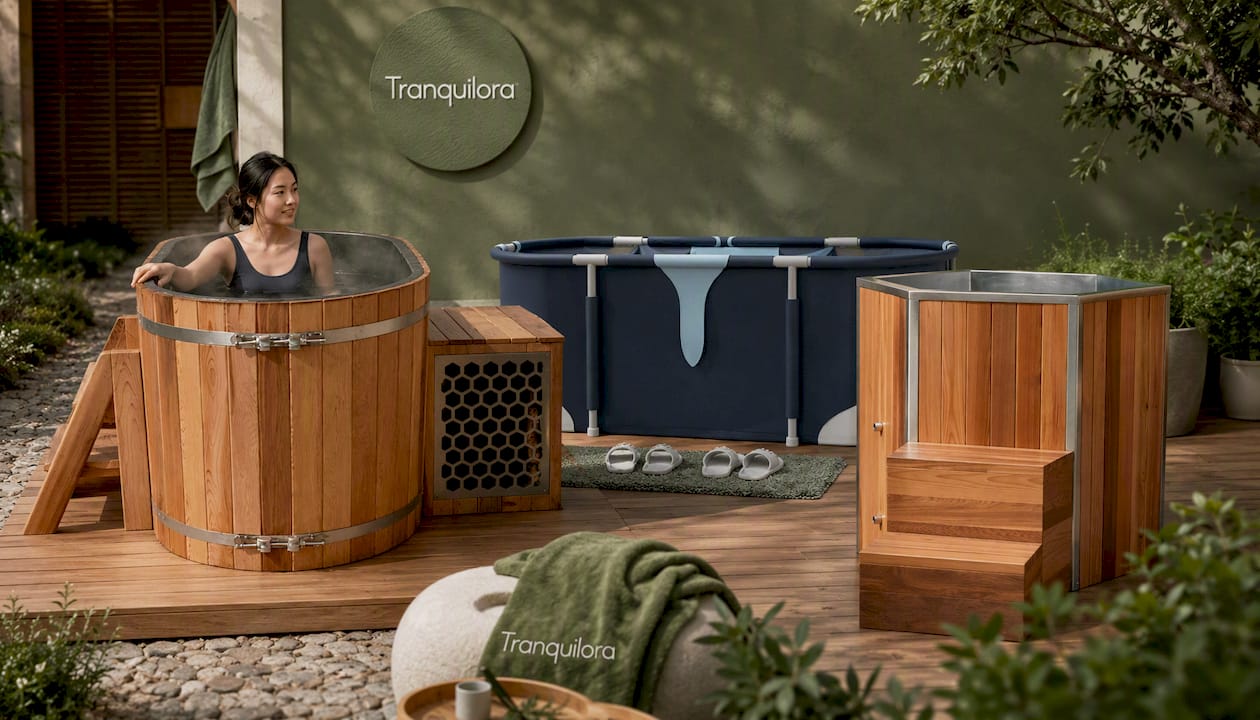
The Svalvik Cedar Ice Bath suits homeowners who want a premium, fixed-location build for consistent daily use. The Premium Portable Foldable Recovery Tub works well if you rent, travel often, or simply want equipment you can store away between sessions, which can also make the “home use is necessary” case easier to document since it moves with your treatment needs. The Isvik Cedar Ice Bath offers another premium built option for those prioritizing durability and appearance in a permanent installation.
Product pages typically provide detailed specifications and a receipt at checkout, which can assist when assembling documentation for your plan administrator. Our buying guide walks through sizing, placement, and maintenance considerations before you commit. Browse the full saunas and cold plunges collection to compare builds side by side, and reach out to our support team with product questions as you prepare your purchase alongside your clinician’s letter.
Primary Sources and Plan Guidance to Verify Before You File
Confirm every claim here against the primary sources: IRS Publication 502 for medical expense standards, Publication 969 for HSA distribution rules, and your specific plan’s help center for administrator requirements. A tax professional can review your individual situation before you file.
This article is general information, not a substitute for advice from a qualified financial advisor. Consult a qualified financial professional about your own circumstances before acting on anything here.
Sources
- Publication 502 — Medical and Dental Expenses (IRS)
- Publication 969 — Health Savings Accounts and Other Tax-Favored Health Plans (IRS)
- Are hot tubs, saunas, ice plunges, or whirlpools eligible under an HSA? | myHSA Help Centre
FAQ
What surprisingly counts as HSA eligible?
Items most people assume are wellness purchases, like acne treatment, sunscreen, and certain therapy devices, can qualify with the right documentation, and a cold plunge fits this same pattern when a valid LMN supports it.
Will insurance pay for a cold plunge?
Standard health insurance rarely covers cold plunge tubs directly, since insurers typically require in-network durable medical equipment rather than consumer recovery products, even with a diagnosis on file.
Can I use my HSA to buy a sauna?
A sauna faces the same standard as a cold plunge tub: it is not automatically eligible, but it can qualify with a dated Letter of Medical Necessity tied to a diagnosed condition, per IRS Publication 502.
Will HSA pay for my gym membership?
General gym memberships do not qualify as HSA expenses because they support overall wellness rather than treating a diagnosed condition, the same standard that applies to cold plunge tubs under Publication 502.